Buying a diamond should feel exciting, not confusing. Whether you’re looking at a synthetic lab-grown diamond or natural stone, most buyers are only shown the “4C’s”.
What many jewellers don’t explain is that cut precision, light return, growth method, and structural characteristics influence beauty and value far more than grades printed on a certificate.
At Solid Gold Diamonds, our gemmologists review thousands of diamonds every year. Here, we share the insights we wish every couple knew, helping you compare stones confidently, avoid unnecessary spend, and choose a diamond that shines beautifully in real life, not just on paper or online.
Explore our Engagement Rings or book a private consultation at our Perth or Adelaide showrooms to view diamonds side-by-side and ask questions in person.
Why the 4Cs Don’t Tell You Everything
Grading reports (Cut, Colour, Clarity, Carat) provide useful baseline information. But they don’t tell the full story.
Two diamonds with identical certificates can look very different side by side.
That’s because grading reports does not reveal:
- How the diamond reflects and refracts light (its light performance)
- The quality of its scintillation and fire when it moves under light
- Any subtle undertones, polish variations or structural characteristics that affect its appearance
Diamonds earn their magic when they move, and this nuance can only be appreciated in person.
Learn more in our Diamond Cut Guide or visit our showrooms to view diamonds in controlled lighting.
#1: Lab-Grown Diamonds: Why Price Alone Isn’t Value
Synthetic lab-grown diamonds often cost up to 80% less than natural stones, but the lowest price doesn’t always equal the best choice.
Within the lab-grown category pricing can vary by hundreds or thousands of dollars, even among diamonds with the same grading report.
How to Avoid Overpaying:
- Compare several diamonds before buying
- Look at them under real lighting, not only spotlights
- Compare side-by-side before making a decision. Never rely solely on grading reports
- Be cautious of stones priced unusually high, (or extremely discounted). The value often correlates with light performance, not just grade
A carefully selected synthetic lab-grown diamond will outperform a poorly cut high grade stone every time. A poorly cut stone may appear dull, no matter how high its clarity or colour grade is on paper.
According to GIA, the “Cut” attribute determines how light performs inside the diamond, affecting brightness, fire and scintillation. GIA
Explore our Engagement Rings Collection or book a Diamond Consultation to view stones in person and have your questions answered by our specialists.
Your quick guide to expected lab grown diamond pricing:
Round Brilliant:
| Carat | Colour | Clarity | Price (Sept 2025) | Price (Jan 2026) |
|---|---|---|---|---|
| 1.00ct | D | VVS | – | $600 |
| 1.50ct | D | VVS | $865 (VS2 clarity) | $650 |
| 2.00ct | D | VVS | – | $1,595 |
| 3.00ct | D | VVS | $1,975 | $1,695 |
Oval:
| Carat | Colour | Clarity | Price (Sept 2025) | Price (Jan 2026) |
|---|---|---|---|---|
| 1.00ct | D | VVS | $610 | $595 |
| 1.50ct | D | VVS | – | $865 |
| 2.00ct | D | VVS | $1,189 (VS1 clarity) | $1,155 |
| 3.00ct | D | VVS | $1,720 |
Emerald:
| Carat | Colour | Clarity | Price (Sept 2025) | Price (Jan 2026) |
|---|---|---|---|---|
| 1.00ct | D | VVS | $550 | $550 |
| 1.50ct | D | VVS | $990 | $650 |
| 2.00ct | D | VVS | – | $1,225 |
| 3.00ct | D | VVS | – | $1,985 |
Marquise:
| Carat | Colour | Clarity | Price (Sept 2025) | Price (Jan 2026) |
|---|---|---|---|---|
| 1.00ct | D | VVS | – | $620 |
| 1.50ct | D | VVS | – | $815 |
| 2.00ct | D | VVS | – | $1,480 |
| 3.00ct | D | VVS | – | $2,950 |
#2: CVD vs HPHT – Choosing Better Quality Lab-Grown Diamonds
Lab-grown diamonds can be exceptional, but only when you know the difference between CVD and HPHT growth methods.
Growth method plays a critical role:
- CVD (Chemical Vapour Deposition) can produce cleaner crystal structures with fewer metallic inclusions.
- HPHT (High Pressure High Temperature) stones can deliver strong colour saturation but may show distinct growth zoning.
Why CVD technology tends to produce cleaner, more brilliant stones
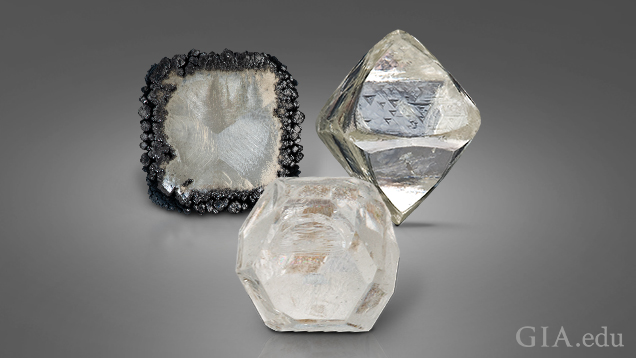
Not every lab-grown diamond performs the same, growth method matters.
According to GIA research, lab-grown diamonds grown by different methods (e.g. HPHT vs CVD) exhibit different growth morphology, and this can affect clarity, crystal structure and light performance. GIA.edu
Many industry voices argue that CVD-grown diamonds often deliver cleaner crystal structure and fewer metallic inclusions, resulting in a more “glassy” appearance and better brilliance. Rapnet.com
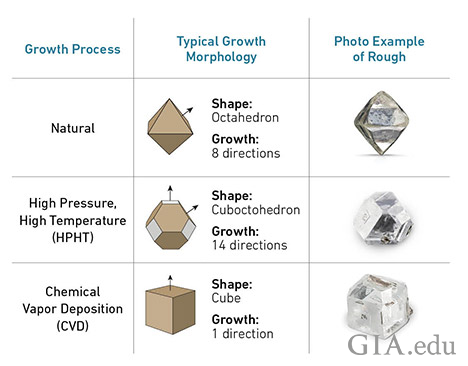
CVD benefits include:
- More stable colour
- Fewer internal distortions
- Cleaner internal structure
- Stronger light performance
- Less risk of visible inclusions caused by metal flux from HPHT growth
When choosing a synthetic diamond, always ask a reputable jeweller: “Is this diamond grown by CVD, and may I view it under magnification before buying?”
#3: Natural Diamonds: How Lustre Reveals True Beauty
Why lustre is often more telling than clarity or colour grades
The globally accepted diamond quality system, the 4Cs (Cut, Clarity, Colour, Carat) was developed by GIA as a way to standardise evaluation across diamonds worldwide. GIA.edu
But real world light performance and aesthetic appeal rely heavily on how well a diamond interacts with light, not just what’s on paper.
Lustre is the quality of light reflected from the diamond’s surface and interior, how “brilliant” it appears.
A natural diamond with an excellent lustre will reflect light and sparkle, even in soft or low light. A diamond with only high certificate grades but poor lustre may appear dull or lifeless.
Because clarity and colour grades do not account for this, the only reliable test is viewing the diamond in person under different lighting.
Signs of excellent / strong lustre:
- A crisp and sharp reflection of light
- Strong brilliant flashes when moved
- A lively appearance even without direct lighting
- Depth and dimension in the reflections
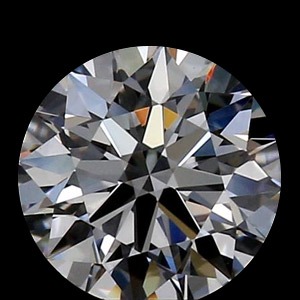 | 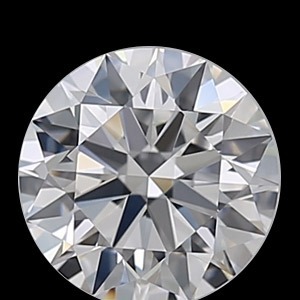 | 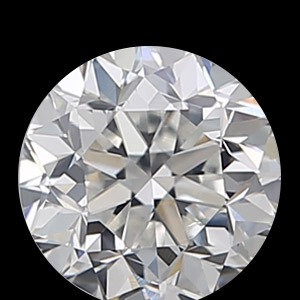 | 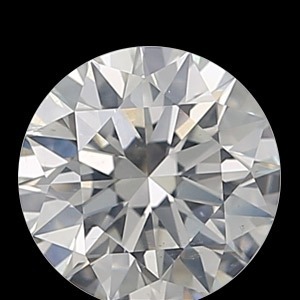 | 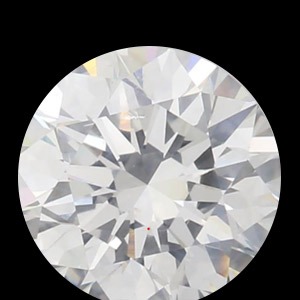 |
Two natural diamonds with identical grading can perform very differently. Seeing diamonds in person is essential to understand true beauty.
#4: The Hidden Risk in Natural Diamonds – Surface-Reaching Inclusions
The hidden durability factor most people never check
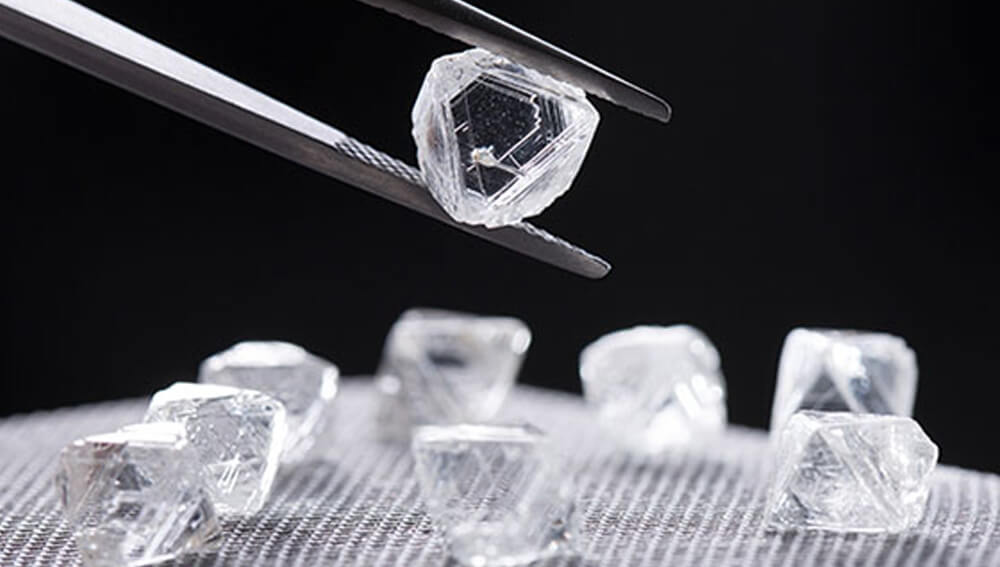
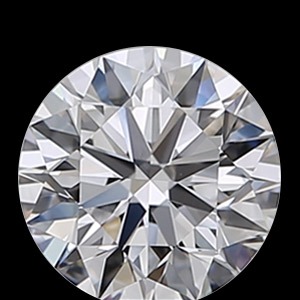
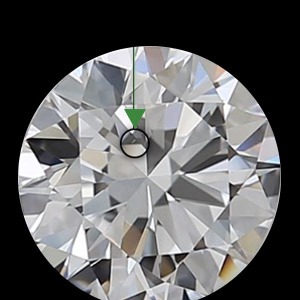
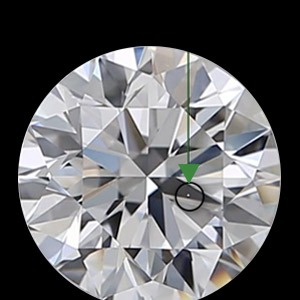
Clarity grades do not tell the whole story. The real concern is whether inclusions reach the surface.
Surface reaching inclusions can affect durability, especially when the diamond is set in a claw or pressure point.
 |  |  |  |
What to look for:
- Avoid feathers or fracturers that reach the surface in corner areas of fancy shapes
- Ask your jeweller to show you the clarity plotting on the grading report
- View the diamond under magnification and rotate it to check all angles
A transparent jeweller will guide you through this step. Many retailers do not
Final Insight: How to Choose a Diamond That Aligns With Your Values
The right diamond is not the one with the highest grade.
The best diamond is simply the one that aligns with your style, priorities and budget.
- A synthetic lab grown diamond can be ideal if you value size, and affordability, especially when you choose a well-cut, CVD-grown stone and avoid overpaying.
- A natural diamond may be preferable if heirloom quality, timelessness and longevity matter, but only when you assess real-world beauty (lustre) and structural integrity (inclusions) beyond the 4Cs.
Visit our Showrooms or Request a Virtual Appointment
At Solid Gold Diamonds, our Perth and Adelaide consultants guide you through these decisions with transparency, side-by-side comparisons, and gemmological insight, so you can feel confident and informed in whatever you choose.